
Talking about AIDE means talking about one of the longest-standing and most respected associations within the diplomatic community accredited in Spain. Under the Honorary Presidency of Her Majesty Queen Sofía, the association has spent more than four decades fostering the integration of diplomatic families and promoting intercultural understanding through an extensive programme of cultural, social and charitable activities. Its monthly gatherings at ambassadors’ residences, the traditional International Bazaar and the Charity Gala Dinner have become some of the highlights of Madrid’s diplomatic calendar.
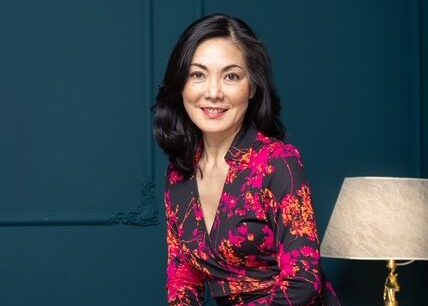
Over the past year, Juli Sekiguchi has served as president of the association, a term that came to an end this summer following her family’s move to Belgrade, where her husband, Enno Drofenik, Austria’s former ambassador to Spain, will take up his country’s diplomatic representation in Serbia. In this interview with The Diplomat in Spain, she reflects on a year in which AIDE has continued to consolidate its role as a meeting point for the diplomatic community, strengthening ties among those representing their countries in Spain and bringing diplomacy closer to society through culture, dialogue and solidarity.

After more than a year at the helm of AIDE, you are stepping down as president following your family’s new posting in Serbia. Looking back, how would you assess this period and what feelings do you take with you as you leave the position?
It has been a truly enriching experience. I look back with great satisfaction at everything we have achieved together. Serving as AIDE’s president allowed me to work with people from many different countries who share a strong commitment to dialogue, friendship and service.
Over the past year, we have strengthened the association’s activities, deepened cooperation with various institutions and, above all, encouraged greater participation among our members. I leave with the reassurance that AIDE has a solid foundation and that its mission will continue to be guided by the same spirit of openness, solidarity and cooperation.
AIDE was founded in 1984 as the Association of Diplomatic Ladies. What is the association’s mission today and what role does it play within the diplomatic community accredited in Spain?
AIDE is a non-profit association founded in 1984 under the name Association of Diplomatic Ladies. In 2010, it adopted its current name to reflect the evolution of the diplomatic community. Her Majesty Queen Sofía serves as Honorary President and, today, the association brings together more than 70 members from over 40 countries, including ambassadors’ spouses, serving and retired diplomats, their spouses or partners, as well as Spanish honorary members.
Our work revolves around three main objectives: fostering friendship and understanding between cultures, supporting members in their integration into Spain, and contributing to society through charitable and humanitarian initiatives. In many respects, AIDE complements official diplomacy by strengthening the personal relationships that make international cooperation possible.
During your presidency, AIDE has promoted numerous cultural, social and charitable initiatives. Which projects would you highlight, and what do you consider your main contribution to strengthening ties among diplomatic families?
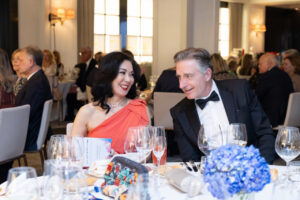
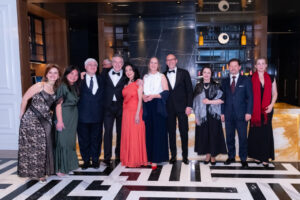
The Charity Gala Dinner held last February undoubtedly represents the initiative that best reflects our work. It brought together nearly 200 guests, including 22 ambassadors, representatives of the Royal Household, Spanish public institutions, educational organisations, the private sector and members of the diplomatic corps.
Beyond raising funds for the Reina Sofía School of Music and the Reina Sofía Foundation, the event demonstrated how diplomacy, culture and solidarity can come together around a shared goal.
I would also highlight the participatory character that AIDE has developed over the past year. We encouraged members to become more involved in the life of the association, which helped strengthen the bonds between diplomatic families.
Diplomacy is also built through personal relationships and mutual understanding. What role do you believe associations such as AIDE play in promoting diplomacy beyond official institutions?
Diplomacy is more effective when mutual understanding and cooperation are strengthened. Associations such as AIDE create opportunities for people from different countries and cultures to get to know one another beyond the strictly official sphere.
Our activities encourage dialogue, build trust and foster lasting relationships. The Charity Gala Dinner was a clear example of this, bringing together embassies, Spanish institutions, the Royal Household, educational organisations and private-sector representatives around a shared humanitarian goal, while also celebrating cultural diversity.
You have worked closely with representatives of dozens of nationalities and cultures. What has this experience meant to you, and what lessons do you take away from your time within Spain’s diplomatic community?
It has been an enormously enriching experience. One of the initiatives I value most is the system of monthly general meetings that we launched with the support of ambassadors and their families.
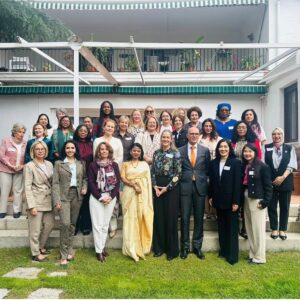
Ambassadors generously opened the doors of their residences to host these gatherings and give presentations about their countries, cultures and personal diplomatic experiences. These meetings have shown that diplomacy goes far beyond official settings. They have contributed to greater mutual understanding and provided a valuable learning experience for all AIDE members, myself included.

What challenges and opportunities does AIDE face as it seeks to continue growing and maintaining its relevance within Madrid’s diplomatic corps?
The diplomatic community has evolved significantly. Today, many spouses pursue their own professional careers or do not reside permanently in Madrid. As a result, AIDE has broadened its membership criteria to include people with diplomatic backgrounds, spouses or partners of retired diplomats and other members of the diplomatic community, beyond heads of mission.
This greater openness has brought increased diversity and renewed energy. The challenge now is to continue integrating different perspectives without losing sight of the shared objectives and spirit of collaboration that characterise the association.
What would you like the legacy of your presidency to be, and what message would you give to the person who takes over the leadership of AIDE?
I would like my legacy to be the participatory model we have managed to consolidate, bringing together heads of mission, representatives of the Spanish Government, the Royal Household, educational institutions, the private sector and many other partners to advance AIDE’s three main missions: building bridges between cultures, supporting the diplomatic community and contributing to society.
I trust that this collaborative approach will continue to grow stronger and enable future presidencies to further develop the association and enhance its profile.