
• Login
Friday, June 12, 2026
No Result
View All Result
  • es Español
  • en English
subscribe
thediplomatinspain
Publicaciones
  • Frontpage
  • News
    • Spain
    • World
    • The world in Spain
    • Diplomatic Breakfast
    • Diplomacy with a history
    • The bag
    • Social life
  • Analysis
    • Tribune
    • Trends
  • Embassies
    • Embassies Directory
    • Protocol
    • International legislation
  • Security and Defense
  • UNWTO News
  • Leisure
    • Libros
    • Culture & Art
    • Música
    • Movies
    • Niños
    • Espectáculos
    • Teatro
  • Diplomatic club
  • Vip Club
  • Frontpage
  • News
    • Spain
    • World
    • The world in Spain
    • Diplomatic Breakfast
    • Diplomacy with a history
    • The bag
    • Social life
  • Analysis
    • Tribune
    • Trends
  • Embassies
    • Embassies Directory
    • Protocol
    • International legislation
  • Security and Defense
  • UNWTO News
  • Leisure
    • Libros
    • Culture & Art
    • Música
    • Movies
    • Niños
    • Espectáculos
    • Teatro
  • Diplomatic club
  • Vip Club
No Result
View All Result
No Result
View All Result
thediplomatinspain
Home Featured News

Spain begins implementing the new European Pact on Migration and Asylum this Friday with a “rights-based approach”

Marlaska rejects the creation of detention centers in third countries, and NGOs lament "the lack of transparency regarding specific measures" in Spain

Eduardo González
12 de June de 2026
in Featured News, Subscribers
0

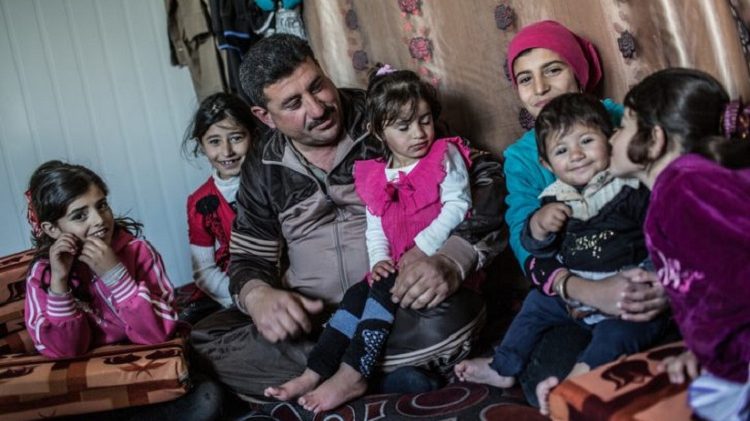
Syrian refugee family. / Photo: Pablo Tosco / Oxfam Intermón

Share on FacebookShare on Twitter
Eduardo González

Spain will begin implementing the new European Pact on Migration and Asylum this Friday “with a rights-based and respectful approach” to the rights of migrants and asylum seekers, according to the Ministry of the Interior, on the occasion of its entry into force in all EU member states. Amnesty International, Caritas, CEAR, Doctors of the World, Doctors Without Borders, and Oxfam Intermón, among other NGOs, have lamented “the lack of transparency regarding the specific measures that will be adopted at the national level to comply with these European obligations.”

“Spain will implement the new European Pact on Migration and Asylum starting this Friday ‘with a rights-based and respectful approach’ to the rights of migrants and asylum seekers, and this will be conveyed by the Spanish delegation participating today and tomorrow in the Ministerial Conference organized by the Cypriot Presidency of the EU in Nicosia, on the occasion of the pact’s entry into force,” the Ministry announced.

“June 12 marks a key date on this shared path, but it is not the end point,” declared the Minister of the Interior, Fernando Grande-Marlaska, who excused his absence from the Nicosia Ministerial Conference due to the papal visit and pledged to continue working on the “adjustments and improvements required by the migration challenge, always preserving the balance between solidarity and responsibility.”

In this regard, the Ministry of the Interior reiterates that “Spain has reaffirmed the Government’s opposition to the creation of detention centers in third countries permitted by the new Return Regulation, still pending final adoption, and has ruled out its use in Spanish migration management.”

On June 4, during the meeting of the Council of Interior Ministers in Luxembourg, Spain conveyed to its EU partners its rejection of this measure due to “serious doubts” about its “legality and proportionality.” It also expressed concern about the implementation of these centers, with non-binding agreements and “no guarantees” for human rights, and about their impact on the “credibility and effectiveness” of bilateral relations between member states, which are “key” to the migration policy of countries that, like Spain, are committed to cooperation.

The political agreement on the new European migration pact was reached on December 20, 2023, during Spain’s presidency of the Council of the European Union. The pact, approved by the European Parliament in April 2024, was formally adopted by the Council in May of that same year, when the legislative texts of the agreement were also published in the Official Journal of the European Union.

NGOs

For their part, the Working Group of social organizations on the European Pact on Migration and Asylum, which includes the NGOs Amnesty International, Caritas, CEAR, Entreculturas, Federación Sur Acoge, Irídia-center for the defense of human rights, Doctors of the World, Doctors Without Borders, Novact, Oxfam Intermón, Red Acoge, Jesuit Migrant Service, and Plataforma de Infancia, has lamented “the lack of transparency regarding the specific measures that will be adopted at the national level to comply with these European obligations.”

According to these organizations, “June 12th marks a milestone for all European countries, as it signifies the implementation of the Pact with its entry into force, ushering in a new era for migration policy that presents significant challenges in guaranteeing the rights of migrants and refugees.” “Added to this is the agreement reached on June 1st regarding the European Regulation on Returns, which expands the use of detention and incorporates punitive and coercive measures to intensify deportations,” they continue.

“These regulations, along with the revision of the concept of a safe third country and the approval of a list of countries of origin considered safe, which includes states with serious human rights deficiencies, seriously weaken established rights and guarantees,” including “the right to asylum, protection against refoulement, access to effective legal defense, the right to information and specific attention for people in situations of greater vulnerability, and the protection of the right to comprehensive health,” the NGOs warn.

“In the Spanish case, despite the efforts of organized civil society and the affected populations, the spaces for public dialogue have not resulted in precise information on the specific measures that will be implemented to adapt the Pact to the national context,” they lament.

Therefore, “given this situation of some uncertainty and concern,” the Working Group urges the Government and the other political forces to “guarantee transparency, access to information on the plans, protocols, instructions, resources and legislative reforms, among other mechanisms for implementing the Pact that will now come into force,” to “apply the Pact in the most protective way possible in accordance with human rights, and in full compliance with the rights established in the Spanish legal framework and international commitments,” and to “guarantee the necessary resources for the proper functioning of the human rights monitoring mechanism that the Ombudsman will assume.”

ADVERTISEMENT
Previous Post

PP passes a motion in the Senate to compel the Foreign Ministry to provide semi-annual reports on Ukraine

Next Post

The Pope lashes out in Tenerife against the mafias that turn “the suffering of others into a business”

Eduardo González

Eduardo González

Next Post
The Pope lashes out in Tenerife against the mafias that turn “the suffering of others into a business”

The Pope lashes out in Tenerife against the mafias that turn “the suffering of others into a business”

Recommended

Newsletter

"Stay informed through our pages and always stay one step ahead. With in-depth analysis, exclusive reports and comprehensive coverage of the events that are shaping our present, our newspaper is more than just news, it is a window to the future."

Newspaper archive

June 2026
M T W T F S S
1234567
891011121314
15161718192021
22232425262728
2930  
« May    

About Us

The Diplomat in Spain is the reference digital newspaper for diplomats and companies that want to be well informed.

© 2024 The Diplomat in Spain.

Welcome Back!

Login to your account below

Forgotten Password?

Retrieve your password

Please enter your username or email address to reset your password.

Log In
Gestionar consentimiento
Para ofrecer las mejores experiencias, utilizamos tecnologías como las cookies para almacenar y/o acceder a la información del dispositivo. El consentimiento de estas tecnologías nos permitirá procesar datos como el comportamiento de navegación o las identificaciones únicas en este sitio. No consentir o retirar el consentimiento, puede afectar negativamente a ciertas características y funciones.
Funcional Always active
El almacenamiento o acceso técnico es estrictamente necesario para el propósito legítimo de permitir el uso de un servicio específico explícitamente solicitado por el abonado o usuario, o con el único propósito de llevar a cabo la transmisión de una comunicación a través de una red de comunicaciones electrónicas.
Preferencias
El almacenamiento o acceso técnico es necesario para la finalidad legítima de almacenar preferencias no solicitadas por el abonado o usuario.
Estadísticas
El almacenamiento o acceso técnico que es utilizado exclusivamente con fines estadísticos. El almacenamiento o acceso técnico que se utiliza exclusivamente con fines estadísticos anónimos. Sin un requerimiento, el cumplimiento voluntario por parte de tu proveedor de servicios de Internet, o los registros adicionales de un tercero, la información almacenada o recuperada sólo para este propósito no se puede utilizar para identificarte.
Marketing
El almacenamiento o acceso técnico es necesario para crear perfiles de usuario para enviar publicidad, o para rastrear al usuario en una web o en varias web con fines de marketing similares.
Manage options Manage services Manage {vendor_count} vendors Read more about these purposes
Ver preferencias
{title} {title} {title}
Gestionar consentimiento
Para ofrecer las mejores experiencias, utilizamos tecnologías como las cookies para almacenar y/o acceder a la información del dispositivo. El consentimiento de estas tecnologías nos permitirá procesar datos como el comportamiento de navegación o las identificaciones únicas en este sitio. No consentir o retirar el consentimiento, puede afectar negativamente a ciertas características y funciones.
Funcional Always active
El almacenamiento o acceso técnico es estrictamente necesario para el propósito legítimo de permitir el uso de un servicio específico explícitamente solicitado por el abonado o usuario, o con el único propósito de llevar a cabo la transmisión de una comunicación a través de una red de comunicaciones electrónicas.
Preferencias
El almacenamiento o acceso técnico es necesario para la finalidad legítima de almacenar preferencias no solicitadas por el abonado o usuario.
Estadísticas
El almacenamiento o acceso técnico que es utilizado exclusivamente con fines estadísticos. El almacenamiento o acceso técnico que se utiliza exclusivamente con fines estadísticos anónimos. Sin un requerimiento, el cumplimiento voluntario por parte de tu proveedor de servicios de Internet, o los registros adicionales de un tercero, la información almacenada o recuperada sólo para este propósito no se puede utilizar para identificarte.
Marketing
El almacenamiento o acceso técnico es necesario para crear perfiles de usuario para enviar publicidad, o para rastrear al usuario en una web o en varias web con fines de marketing similares.
Manage options Manage services Manage {vendor_count} vendors Read more about these purposes
Ver preferencias
{title} {title} {title}
  • Login
No Result
View All Result
  • Frontpage
  • News
    • Spain
    • World
    • The world in Spain
    • Diplomatic Breakfast
    • Diplomacy with a history
    • The bag
    • Social life
  • Analysis
    • Tribune
    • Trends
  • Embassies
    • Embassies Directory
    • Protocol
    • International legislation
  • Security and Defense
  • UNWTO News
  • Leisure
    • Libros
    • Culture & Art
    • Música
    • Movies
    • Niños
    • Espectáculos
    • Teatro
  • Diplomatic club
  • Vip Club

© 2024 The Diplomat in Spain.

Go to mobile version
  • English
  • Español