
By Mohamed Guma Bilazi
International Policy Analyst

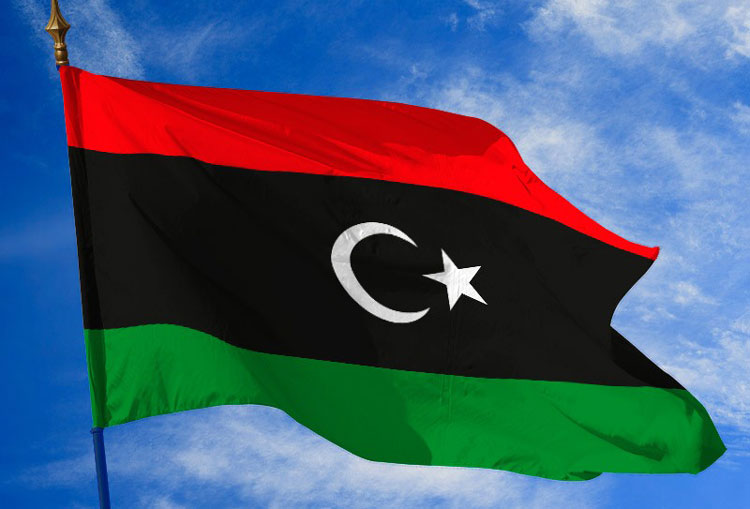
Libya’s candidacy for a non-permanent seat on the UN Security Council for the 2028-2029 term represents a political and diplomatic step with implications that go far beyond symbolism. This candidacy reflects an attempt to reintegrate the Libyan state into the circles of international influence after years of instability and division.
The Security Council, as the most influential United Nations body on international peace and security, provides a real platform for defining international positions and influencing decisions related to conflicts and crises.
In practice, a non-permanent seat on the Council gives a member state the opportunity to participate directly in debates on important international issues and to vote on resolutions that shape international policy on sensitive matters such as armed conflicts, sanctions, peacekeeping operations, and the fight against terrorism.
For Libya, which has been a recurring topic on the Security Council’s agenda for years, the shift from being a “State in disagreement” to a “State participating in discussions and decision-making” has clear political significance, reflecting an evolution in its position within the international system. Libya’s presence on the Security Council also gives it greater capacity to defend its national interests on issues that directly affect it, such as sovereignty, resource management, the future of foreign military presence, and political settlement processes.
Participating in the drafting of international resolutions related to the region allows it to have greater influence on how the international community addresses the Libyan crisis, rather than simply being a recipient of decisions.
The importance of this position transcends the political sphere and encompasses diplomatic and strategic dimensions. Election campaigns for membership on the Security Council typically require intensive diplomatic activity, including building regional and international alliances and strengthening communication with UN General Assembly member states that have voting rights in the election of non-permanent members.
This diplomatic engagement can strengthen Libya’s international presence and revitalize its networks of relations with African, Arab, and Asian countries, as well as European and even Latin American nations.
From another perspective, the candidacy also represents an opportunity to strengthen institutional work in Libyan foreign policy. Managing an election campaign for a Security Council seat requires coordination among diplomatic, research, and parliamentary institutions, as well as leveraging the expertise of academic institutions and strategic think tanks. This type of joint action can contribute to the development of foreign policy decision-making mechanisms and improve the state’s capacity to operate according to a unified vision.
Furthermore, the seat has a symbolic dimension related to Libya’s image abroad. Countries that secure a seat on the Security Council are often perceived as capable of playing a responsible role in managing international affairs. This would help rebuild international trust in the Libyan state and its institutions, a crucial element for attracting economic and investment cooperation and strengthening international alliances.
Ultimately, Libya’s candidacy for a non-permanent seat on the Security Council should not be seen as a mere passing diplomatic event, but as an opportunity to reposition the country within the international system.
The success of this move could pave the way for Libya to play a more effective role in regional and international affairs, strengthen its political and diplomatic presence, and gradually restore it to the status of an active state, rather than one whose crises are managed from abroad.