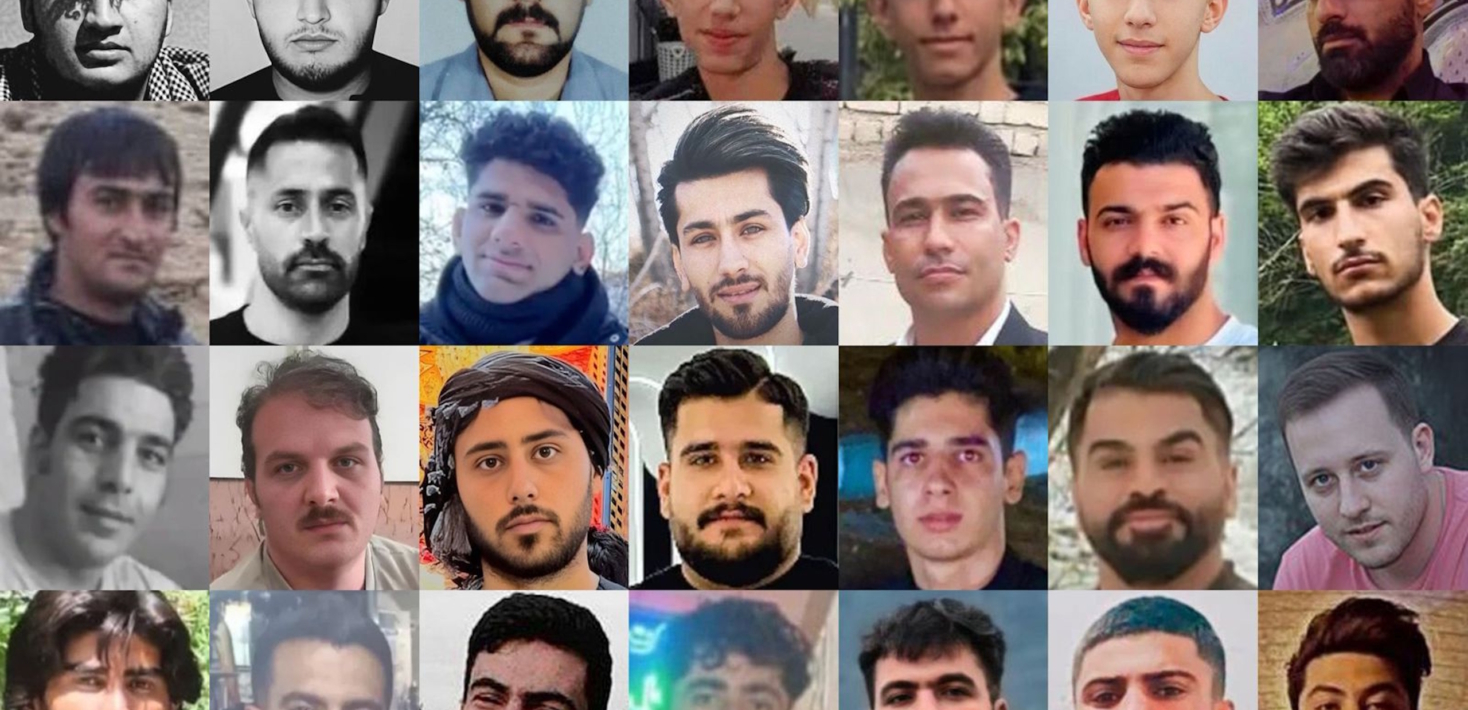
<h6><strong>Eduardo González</strong></h6> <h4><strong>The Spanish government condemned on Monday, January 12, the violence perpetrated against “peaceful protesters in Iran,” following the deaths of approximately 550 people and the detention of more than 10,000 in the context of anti-government protests that began 15 days ago in major Iranian cities.</strong></h4> “The Spanish government condemns the violence perpetrated against peaceful protesters in Iran and demands that the country’s authorities respect and guarantee the exercise of freedom of expression and peaceful assembly,” the Ministry of Foreign Affairs stated in a press release. “The Spanish government calls on the Iranian authorities to immediately lift all restrictions on communications and put an end to the arbitrary detentions of peaceful protesters,” it continued. “The Ministry of Foreign Affairs is constantly monitoring the evolving situation, in contact with the Embassy in Tehran, which remains fully operational to serve the Spanish community,” it concluded. “We demand that the Iranian government respect the right to demonstrate and the freedom of expression of all Iranians. The violence must stop,” Foreign Minister José Manuel Albares wrote on social media. “I commend the courage of the Iranian women who are demonstrating for their rights and freedom,” he added. The protests erupted on December 28, 2025, following a sharp decline in the national currency, amid rampant inflation, chronic mismanagement of essential services by the state, including access to water, and deteriorating living conditions. Starting with the closure of businesses and strikes in Tehran's Grand Bazaar, the protests quickly spread throughout the country, escalating into street demonstrations calling for the fall of the Islamic Republic's regime and demanding human rights, dignity, and freedom. The authorities responded with violent crackdowns and mass arrests, resulting in hundreds of people being arbitrarily detained and at risk of torture and other ill-treatment. According to Amnesty International and Human Rights Watch, the Iranian authorities have unleashed a bloody crackdown characterized by the illegitimate use of force and firearms, as well as mass arbitrary arrests by security forces. The findings of both organizations reveal that security forces, including the Islamic Revolutionary Guard Corps and Iran's police forces, known by their Persian acronym, FARAJA, have made illegitimate use of rifles, shotguns loaded with pellets, water cannons, tear gas, and beatings to disperse, intimidate, and punish largely peaceful protesters. The European Commission condemned on Monday “the use of violence against protesters” in Iran and called for the “immediate release of those detained” and the “full restoration of internet access.” The EU also reiterated that it has a “dedicated legal framework” to sanction individuals and entities responsible for “serious human rights violations” in Iran and expressed its readiness to propose “new, stronger sanctions” following the crackdown on the protests. However, it stressed that any decision must be taken “unanimously” by the member states. For her part, the High Representative of the European Union, Kaja Kallas, expressed her solidarity last Friday with the Iranian people and their “legitimate aspiration for a better life, freedom, and dignity,” and urged Iranian authorities to “comply with Iran’s international obligations and fully guarantee the rights to freedom of expression, association, and peaceful assembly.” Meanwhile, US President Donald Trump has stated that he is “looking into” the matter and denounced the Iranian government for “starting” to cross a red line because “people have died who shouldn’t have died.” He also recalled the recent military intervention in Venezuela against President Nicolás Maduro and announced that a meeting with Iranian leaders, who “want to negotiate,” will take place soon, and that he remains in contact with the Iranian opposition.