Banner Iberia Español
Banner Telefónica
Banner Iberia Inglés
  • Login
Wednesday, December 3, 2025
No Result
View All Result
  • es Español
  • en English
subscribe
thediplomatinspain
Publicaciones
  • Frontpage
  • News
    • Spain
    • World
    • The world in Spain
    • Diplomatic Breakfast
    • Diplomacy with a history
    • The bag
    • Social life
  • Tribune
  • Analysis
  • Trends
  • Embassies
    • Embassies Directory
    • Protocol
    • International legislation
  • UNWTO News
  • Leisure
    • Libros
    • Culture & Art
    • Música
    • Movies
    • Niños
    • Espectáculos
    • Teatro
  • Diplomatic club
  • Vip Club
  • Frontpage
  • News
    • Spain
    • World
    • The world in Spain
    • Diplomatic Breakfast
    • Diplomacy with a history
    • The bag
    • Social life
  • Tribune
  • Analysis
  • Trends
  • Embassies
    • Embassies Directory
    • Protocol
    • International legislation
  • UNWTO News
  • Leisure
    • Libros
    • Culture & Art
    • Música
    • Movies
    • Niños
    • Espectáculos
    • Teatro
  • Diplomatic club
  • Vip Club
No Result
View All Result
No Result
View All Result
thediplomatinspain
Home Leisure Culture & Art

Arab House on Lebanon: a political regulation of cultural pluralism?

Juan David Latorre
3 de December de 2025
in Culture & Art, Leisure
0
Arab House on Lebanon: a political regulation of cultural pluralism?
Share on FacebookShare on Twitter


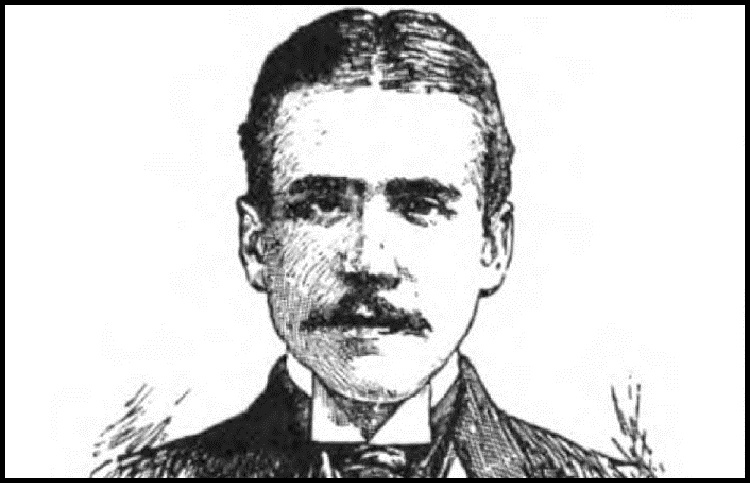
This afternoon at 7 pm, Casa Árabe de Madrid presents the seventh lecture of the cycle Aula Árabe Universitaria 7 by René Otayek, emeritus research director in Political Sciences of CNRS (France), entitled Lebanon: model or counter-model of political regulation of cultural pluralism. Free entry until the room is full. In Spanish and French, with simultaneous interpretation.


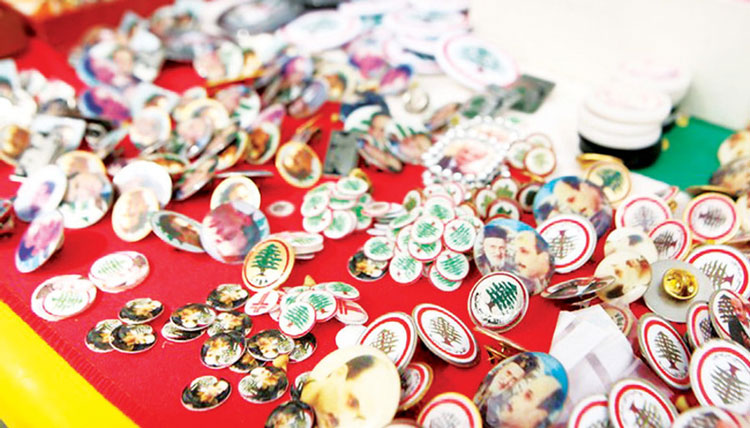
Lebanon is often presented as a kind of democratic exception, albeit relative, in an Arab Middle East where political authoritarianism remains the norm, despite the breath of freedom brought about by the popular uprisings of 2011. Although it has certain features of a representative liberal democracy, such as multipartism and more or less regular elections, its political system has the particularity of organizing the distribution of power among the eighteen officially recognized religious communities, according to their supposed demographic weight, and not real.


This particularity made Lebanon, for a long time, a model of coexistence and an emblematic case of the confessional theory of power (political confessionalism). However, it must be recognized that the “model” as such today seems exhausted, weakened by the tensions affecting it both internally (community polarizations, political immobility, possession of weapons by certain groups such as Hezbollah, economic and financial crises) as external (Israel-Hezbollah war, rearrangement of regional geopolitics, uncertainties in Syria, etc.).


However, although the immediate history cannot be ignored, it is only by taking into account the so-called “long historical duration” (longue durée historique) that one can understand the opposing logics operating in this «model».


Thus, in his speech, René Otayek will talk about the historical, political and social dynamics that have shaped Lebanese confessionalism, as well as its effects on pluralism, the functioning of the political system and the public life of the country.


Organized in collaboration with the Master of Intelligence Analyst and the Degree in Intelligence, Security and Diplomacy, both programs of the Universidad Rey Juan Carlos (URJC). Representing the programs, will participate and present to the speaker Susana Cuena, Researcher of the Chair of Intelligence Services and Democratic Systems of the said university. The session will be moderated by Olivia Orozco, Education and Economics Coordinator at Casa Árabe.


ADVERTISEMENT
Previous Post

Opening of the exhibition ‘Gauchos’ in the Museo de América

Next Post

PP questions Cerdán’s 2019 trip to Morocco with Ábalos, despite not holding any government position

Juan David Latorre

Juan David Latorre

Next Post
PP questions Cerdán’s 2019 trip to Morocco with Ábalos, despite not holding any government position

PP questions Cerdán's 2019 trip to Morocco with Ábalos, despite not holding any government position

Recommended

Filippo Grandi receives the Grand Cross of Isabella the Catholic just one month before the end of his UNHCR term

Filippo Grandi receives the Grand Cross of Isabella the Catholic just one month before the end of his UNHCR term

1 day ago

Newsletter

"Stay informed through our pages and always stay one step ahead. With in-depth analysis, exclusive reports and comprehensive coverage of the events that are shaping our present, our newspaper is more than just news, it is a window to the future."

Newspaper archive

December 2025
M T W T F S S
1234567
891011121314
15161718192021
22232425262728
293031  
« Nov    

Sections

About Us

The Diplomat in Spain is the reference digital newspaper for diplomats and companies that want to be well informed.

© 2024 The Diplomat in Spain.

Welcome Back!

Login to your account below

Forgotten Password?

Retrieve your password

Please enter your username or email address to reset your password.

Log In

Add New Playlist

  • Login
No Result
View All Result
  • Frontpage
  • News
    • Spain
    • World
    • The world in Spain
    • Diplomatic Breakfast
    • Diplomacy with a history
    • The bag
    • Social life
  • Tribune
  • Analysis
  • Trends
  • Embassies
    • Embassies Directory
    • Protocol
    • International legislation
  • UNWTO News
  • Leisure
    • Libros
    • Culture & Art
    • Música
    • Movies
    • Niños
    • Espectáculos
    • Teatro
  • Diplomatic club
  • Vip Club

© 2024 The Diplomat in Spain.

Go to mobile version
  • English
  • Español