
• Login
Tuesday, June 23, 2026
No Result
View All Result
  • es Español
  • en English
subscribe
thediplomatinspain
Publicaciones
  • Frontpage
  • News
    • Spain
    • World
    • The world in Spain
    • Diplomatic Breakfast
    • Diplomacy with a history
    • The bag
    • Social life
  • Analysis
    • Tribune
    • Trends
  • Embassies
    • Embassies Directory
    • Protocol
    • International legislation
  • Security and Defense
  • UNWTO News
  • Leisure
    • Libros
    • Culture & Art
    • Música
    • Movies
    • Niños
    • Espectáculos
    • Teatro
  • Diplomatic club
  • Vip Club
  • Frontpage
  • News
    • Spain
    • World
    • The world in Spain
    • Diplomatic Breakfast
    • Diplomacy with a history
    • The bag
    • Social life
  • Analysis
    • Tribune
    • Trends
  • Embassies
    • Embassies Directory
    • Protocol
    • International legislation
  • Security and Defense
  • UNWTO News
  • Leisure
    • Libros
    • Culture & Art
    • Música
    • Movies
    • Niños
    • Espectáculos
    • Teatro
  • Diplomatic club
  • Vip Club
No Result
View All Result
No Result
View All Result
thediplomatinspain
Home News Diplomacy with a story

British agent “M”… was born and died in Spain?

Redacción
8 de August de 2025
in Diplomacy with a story, Frontpage, News
0
British agent “M”… was born and died in Spain?

La tumba de Arthur Yencken en el Cementerio Británico de Madrid./ Foto: A. R.

Share on FacebookShare on Twitter
Alberto Rubio


Did “M” exist in real life? In Ian Fleming’s novels, James Bond’s boss at MI6 is Vice Admiral Sir Miles Messervy. However, this fictional character was inspired by the writer’s superiors, with whom he worked during World War II, while he belonged to the British Secret Service. As well as those that are so often referred to, his first boss, Mansfield Smith Cumming, or Admiral John Godfrey, of Naval Intelligence, another of these inspirations could have been Arthur Yencken, a diplomat posted at the British Embassy in Madrid.


Not that long ago, in February 2004, Sotheby’s sold at auction, for 15,525 euros, the Passport that Ian Fleming used for Operation Goldeneye, the objective of which was to ensure the continuation of communications between London and Gibraltar if General Franco’s government decided to join the war, siding with Germany, or if the peninsula was invaded by Axis troops.


The British Territory, in the south of Spain was key to maintaining safe passage for Royal Navy ships between the Atlantic and the Mediterranean. Fleming’s mission, therefore, was to establish a “station” to monitor German movements, and to avoid, even by means of sabotage if necessary, any enemy attempt to install radars or infrared cameras in the Strait. The British agent went so far as to establish another “station” in Tangiers, in case Gibraltar was invaded.


In 1941, Yencken was minister at the British diplomatic mission in Spain and one of his main tasks was to direct undercover operations; among others (see The Diplomat: The-british diplomat honoured by Franco), one of them was rescuing Allied prisoners deported by the Third Reich to concentration camps in Spain, in which he died. It was Yencken who issued Fleming’s famous passport, when he passed through Madrid on his way to the Rock.


“Did Fleming use Yencken’s personality to portray “M” in the Bond novels?”, asks David Butler, British historian resident in Madrid. It’s not preposterous to think that the Bond author could have used some of Yencken’s traits to build the character. Among them there is a clear coincidence: Vice Admiral Messervy, like Yencken, was a member of the Most Distinguished Order of Saint Michael and Saint George.


Captain Alan Hugh Hillgarth, naval attaché to the embassy and head of covert operations, was also a member of the Order, and another person the spy, recently arrived from London, contacted immediately. It would have been Hillgarth, had it been necessary, that would have prepared the guerrilla in charge of sabotaging German operations in the Spanish peninsula.


In the end, there was no need to activate these plans. The Goldeneye station only moved into a state of alert in 1942, before the Allied invasion of North Africa, in the well-known Operation Torch, in order to avoid any German reaction that might have complicated the attack. After August 1943, Goldeneye ceased operating, due to the limited threat of a Nazi occupation of Spain.


Fleming, discharged from the Secret Service in 1945, began to write ‘Casino Royale’ in 1952, at his home in Jamaica, which he gave the moniker Goldeneye. There he began to construct characters like “M” with the “pieces” that were given to him, during his years of service, by men such as Cumming, Godfrey, or perhaps even Yencken.



ADVERTISEMENT
Previous Post

The Teatro Bellas Artes premieres the funny comedy ‘Se alquila’

Next Post

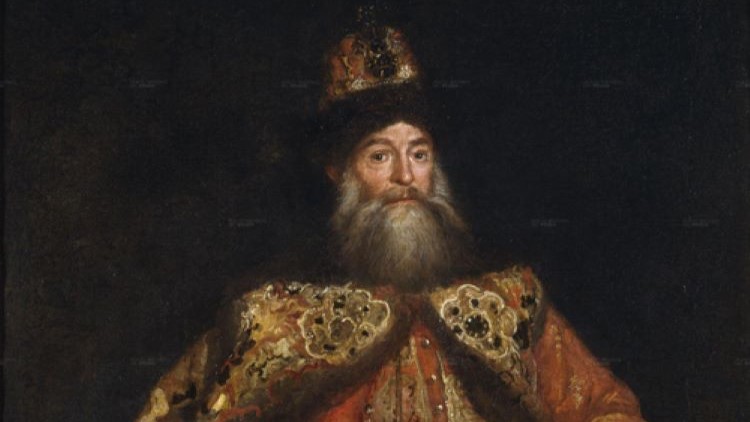
History of Piotr Potemkin and the first Russian embassy in Spanish history

Redacción

Redacción

Next Post
History of Piotr Potemkin and the first Russian embassy in Spanish history

History of Piotr Potemkin and the first Russian embassy in Spanish history

Recommended

Newsletter

"Stay informed through our pages and always stay one step ahead. With in-depth analysis, exclusive reports and comprehensive coverage of the events that are shaping our present, our newspaper is more than just news, it is a window to the future."

Newspaper archive

August 2025
M T W T F S S
 123
45678910
11121314151617
18192021222324
25262728293031
« Jul   Sep »

About Us

The Diplomat in Spain is the reference digital newspaper for diplomats and companies that want to be well informed.

© 2024 The Diplomat in Spain.

Welcome Back!

Login to your account below

Forgotten Password?

Retrieve your password

Please enter your username or email address to reset your password.

Log In
Gestionar consentimiento
Para ofrecer las mejores experiencias, utilizamos tecnologías como las cookies para almacenar y/o acceder a la información del dispositivo. El consentimiento de estas tecnologías nos permitirá procesar datos como el comportamiento de navegación o las identificaciones únicas en este sitio. No consentir o retirar el consentimiento, puede afectar negativamente a ciertas características y funciones.
Funcional Always active
El almacenamiento o acceso técnico es estrictamente necesario para el propósito legítimo de permitir el uso de un servicio específico explícitamente solicitado por el abonado o usuario, o con el único propósito de llevar a cabo la transmisión de una comunicación a través de una red de comunicaciones electrónicas.
Preferencias
El almacenamiento o acceso técnico es necesario para la finalidad legítima de almacenar preferencias no solicitadas por el abonado o usuario.
Estadísticas
El almacenamiento o acceso técnico que es utilizado exclusivamente con fines estadísticos. El almacenamiento o acceso técnico que se utiliza exclusivamente con fines estadísticos anónimos. Sin un requerimiento, el cumplimiento voluntario por parte de tu proveedor de servicios de Internet, o los registros adicionales de un tercero, la información almacenada o recuperada sólo para este propósito no se puede utilizar para identificarte.
Marketing
El almacenamiento o acceso técnico es necesario para crear perfiles de usuario para enviar publicidad, o para rastrear al usuario en una web o en varias web con fines de marketing similares.
Manage options Manage services Manage {vendor_count} vendors Read more about these purposes
Ver preferencias
{title} {title} {title}
Gestionar consentimiento
Para ofrecer las mejores experiencias, utilizamos tecnologías como las cookies para almacenar y/o acceder a la información del dispositivo. El consentimiento de estas tecnologías nos permitirá procesar datos como el comportamiento de navegación o las identificaciones únicas en este sitio. No consentir o retirar el consentimiento, puede afectar negativamente a ciertas características y funciones.
Funcional Always active
El almacenamiento o acceso técnico es estrictamente necesario para el propósito legítimo de permitir el uso de un servicio específico explícitamente solicitado por el abonado o usuario, o con el único propósito de llevar a cabo la transmisión de una comunicación a través de una red de comunicaciones electrónicas.
Preferencias
El almacenamiento o acceso técnico es necesario para la finalidad legítima de almacenar preferencias no solicitadas por el abonado o usuario.
Estadísticas
El almacenamiento o acceso técnico que es utilizado exclusivamente con fines estadísticos. El almacenamiento o acceso técnico que se utiliza exclusivamente con fines estadísticos anónimos. Sin un requerimiento, el cumplimiento voluntario por parte de tu proveedor de servicios de Internet, o los registros adicionales de un tercero, la información almacenada o recuperada sólo para este propósito no se puede utilizar para identificarte.
Marketing
El almacenamiento o acceso técnico es necesario para crear perfiles de usuario para enviar publicidad, o para rastrear al usuario en una web o en varias web con fines de marketing similares.
Manage options Manage services Manage {vendor_count} vendors Read more about these purposes
Ver preferencias
{title} {title} {title}
  • Login
No Result
View All Result
  • Frontpage
  • News
    • Spain
    • World
    • The world in Spain
    • Diplomatic Breakfast
    • Diplomacy with a history
    • The bag
    • Social life
  • Analysis
    • Tribune
    • Trends
  • Embassies
    • Embassies Directory
    • Protocol
    • International legislation
  • Security and Defense
  • UNWTO News
  • Leisure
    • Libros
    • Culture & Art
    • Música
    • Movies
    • Niños
    • Espectáculos
    • Teatro
  • Diplomatic club
  • Vip Club

© 2024 The Diplomat in Spain.

Go to mobile version
  • English