The Diplomat
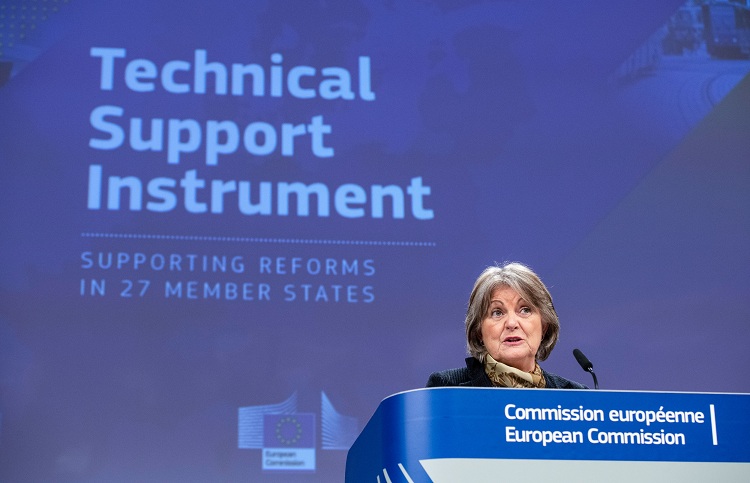
The European Commission yesterday launched its new Technical Support Instrument (TSI) with the aim of supporting 226 national reform projects in the 27 Member States to “increase growth” in the aftermath of the COVID-19 crisis. Fifteen of these projects will be developed in Spain, in areas such as the ecological transition, the digitalisation of public administration, support for small and medium-sized enterprises, health services, employment and social protection.
With a budget of €864 million for the period 2021-2027, the IAT is the Commission’s main instrument to provide technical support for reforms in the EU and “builds on the success of its predecessor”, the former Structural Reforms Support Programme, which since 2017 provided more than a thousand technical support projects in all Member States. The IAT is part of the Multiannual Financial Framework (MFF) 2021-2027 and the Recovery Plan for Europe and, in this first round, will have a total budget of €102.6 million by 2021 to promote economic, social and territorial cohesion in the European Union, the Commission said yesterday.
Reforms eligible for IAT support include, among others, public administration, governance, fiscal policies, business environment, financial sector, labour market, education systems, social services, healthcare, green transition and digital services. In addition, the IAT can also provide technical support to help Member States prepare and implement recovery and resilience plans, so that they are better equipped to access funding from the Recovery and Resilience Mechanism (RRM). In total, more than 60% of the IAT projects shortlisted for 2021 are related to the implementation of recovery and resilience plans, while 30% focus on the Green Deal and 44% on the digital transition.
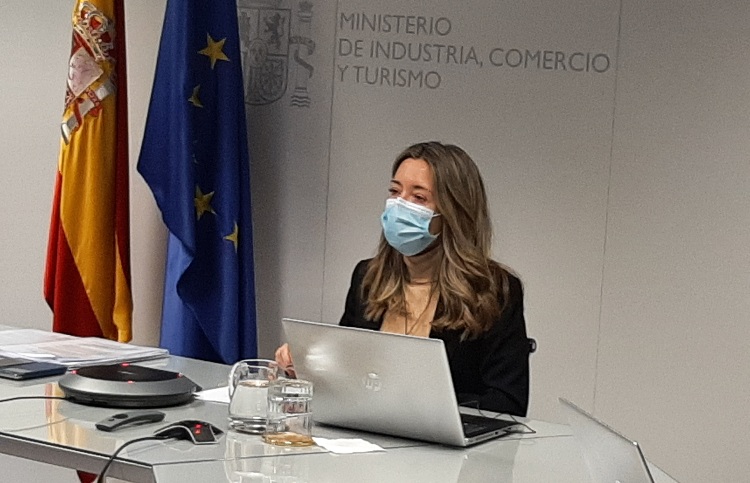
In this first round of the IAT, the Commission will support Spain with 15 projects in the areas of green transition, environmental taxation and green finance, transport systems, support for small and medium-sized enterprises, health services, employment and social protection, education, digital public administration, justice and fight against fraud. More specifically, the Commission highlights among the Spanish projects the Spain Digital Agenda 2025, which aims to promote “the digital transformation in the country as one of the key elements to relaunch economic growth and increase productivity”.
“Reforms are necessary to better the environment for businesses, reinforce the healthcare systems, strengthen social and educational systems and overall enhance the resilience of Member States and stakeholders when facing difficult challenges and global crises”, said Cohesion and Reforms Commissioner Elisa Ferreira. “The Technical Support Instrument is a powerful tool that can enable Member States to carry out the reforms they need for a sustainable growth”, she added.